


No one is immune to the effects of cystitis, and gender and age category have no impact.However, women are more likely to develop cystitis than men due to anatomical characteristics.What are we talking about when a doctor makes a diagnosis like this?Cystitis refers to an inflammatory process occurring in the genitourinary system, primarily affecting the bladder and urethra.The disease is accompanied by pain and increased frequency of urination.
important.Without timely and effective treatment, the disease has the potential to become chronic, getting worse every year and associated with unpleasant manifestations.
Therefore, when the first symptoms of cystitis development appear, it is necessary to contact a treating specialist to confirm the diagnosis and develop a treatment plan.
How are inflammatory processes classified?
When determining a diagnosis, doctors consider classification by morphology, symptoms, precipitating causes, and numerous other factors.According to the stage of pathological development, it can be divided into the following stages:
- acute cystitis.In this case, the inflammatory process suddenly appears within a relatively short time after the patient is exposed to the etiological factors for the development of the disease.In this case, the symptoms that appear are so vivid that the victim can tell exactly the date on which the pathology began.Women between the ages of 20-40 are most susceptible to acute cystitis.According to statistics, 30% of women over the age of 30 suffer from this disease.According to statistics, only 7 in 10,000 men suffer from acute cystitis.Typically, the development of this form is caused by various bacterial pathogens.
- chronic cystitis.In this form, the inflammatory process in the mucosal layer of the bladder persists, with periods of exacerbation alternating with periods of remission.In most cases, they occur against the background of acute inflammatory processes.The diagnosis rate of chronic cystitis in women and even men is high because many patients do not seek medical treatment in time.
In turn, there are several types of chronic cystitis, depending on the clinical course of the disease:
- latent form.It is characterized by a long asymptomatic course, with exacerbations observed frequently or very rarely, possibly twice in a year.Often, the underlying pathology does not pose any particular problems to the patient; therefore, it is discovered entirely by accident while examining other problems.
- Interstitial format.This form of problem mainly affects the urinary system.Although the disease is not bacterial in origin, it is very difficult to treat.
- persistent form.The pathology is the result of an advanced infectious process and is based on acute cystitis.
As a result of the persistent inflammation, the structure of the mucosal layer changes, and accordingly other forms of the disease appear - ulcerative, polypoidal, crusted, cystic and necrotic.Additionally, there are differences in the pathological processes; therefore, cystitis may be:
- primary school– It develops as an independent disease, its appearance is caused by bacterial agents that penetrate the mucosal layer of the organs and other causes.
- middle school– Its formation coincides with the main pathology, in which case cystitis should be considered a complication.
Secondary cystitis is divided into two broad categories - those that include extravesical forms of pathology and those that are secondary cystic types of the disease.Cystic cystitis occurs due to the presence of tumors, bladder stones, abnormalities in their formation, injuries and consequences of surgery.The occurrence of extravesical pathology is caused by other pathologies and other conditions related to bladder function, including pregnancy, the presence of prostatic adenomas, and damage to other systems or organs.
Causes of pathological processes
The causes that lead to the development of inflammatory processes are classified according to the etiology of the phenomenon.Cystitis may be:
- contagious.It is caused by viruses, bacteria or fungi, which invade the urethra along an ascending or descending path, invade the mucosal layer of the bladder, and produce pathogenic effects on organs and systems.The diagnostic yield of this type of pathology is 80%.
- Traumatic.Usually occurs against the background of organ damage and is accompanied by infectious infections.
- After surgery.Pathological changes may occur due to the need for a urinary catheter after surgery.However, it does not completely prevent pathogenic microorganisms from invading the urethral tube.
- diabetics.It occurs as a secondary pathology in patients with diabetes.
- allergy.This pathology is caused by various means of supporting intimate hygiene, which may lead to allergic reactions in patients.
- hormonal imbalance.Due to changes in the hormonal system, changes in the function of other organs occur, which is often observed in women during menopause.
There are other reasons why cystitis may develop.Therefore, taking certain drugs that stimulate acrolein production may cause an inflammatory process.This substance can irritate the mucosal lining of the bladder.The risk of cystitis is increased if the following factors are present:
- Wear synthetic underwear, especially underwear that fits tightly against the body.At the same time, bacteria in the genitals begin to actively multiply.
- Promiscuous sexual contact with untested partners will inevitably be the cause of sexually transmitted infections to some extent.Any such disease may cause cystitis.
- The presence of intestinal disease and constipation leads to an active proliferation of opportunistic microorganisms that can penetrate the urethra.
- Some kidney diseases can develop into bladder disease.
- The immune system is not strong enough to fight off pathogenic microorganisms that enter the urinary tract.
Although the causes of cystitis in women and men are generally similar, there are some differences.Therefore, in most cases, female representatives suffer from the structure of the urethra.Its opening is located next to the anus, and the canal itself is wider and shorter in length.This anatomical feature greatly simplifies the invasion of root canals by bacteria and E. coli.
Causes of cystitis in women also include hormonal changes during pregnancy; such changes can severely impair local immunity.We can’t forget about menopause, when a woman’s body’s production of estrogen significantly decreases.But it is this hormone that directly affects the bladder membrane.The structure of the female reproductive system is also important - it includes many organs that are characterized by the development of inflammatory processes with subsequent transfer to the urinary system.
Men are many times less likely to suffer from cystitis than women, however, they have their own specific factors, the presence of which leads to the development of the pathology:
- Stagnation of urine in the presence of mechanical obstacles - stones, tumors, diverticula, foreign bodies that block the outflow of fluid.
- Phimosis, characterized by a narrowing of the foreskin.
- Infection spreading from the urethra, prostate, seminal vesicles, testicles, and adnexa may initiate an inflammatory process.
important.There are other factors that are not related to the genitourinary system but can cause cystitis in men, such as diabetes, stress, and abuse of spicy foods and alcoholic beverages.
Spinal injury, hypothermia, and transurethral surgery may have negative effects.
What are the symptoms of cystitis?
Symptoms accompanying the inflammatory process may vary and depend on the form of pathology.It should be remembered that the symptoms and treatment of cystitis in women, men and children are closely related.Acute and chronic cystitis present differently; the first case is characterized by sudden onset:
- Urinating too frequently, going to the toilet 8-15 times, but the amount of urine in a single visit is very small.
- Pain and pain in the urethra at the end of emptying the bladder.
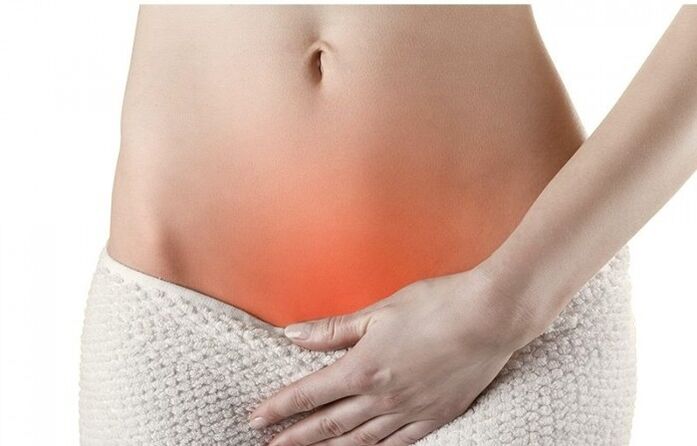
- Pulling pain occurs in the lower abdomen, above the pubic bone, lower back, and pelvis.
- During the excretion of urine, chills may occur.
- After the urination process is over, there is still a feeling that the bladder is not completely empty.
- Temperatures may rise slightly, but more often than not they will remain within normal limits.
- People are generally feeling unwell.
- The urine passed is not clear enough; bloody inclusions may be observed in the turbid fluid, which are released in small amounts at the last moment of urination.
If the acute form is treated promptly and adequately, negative symptoms disappear after three to five days.In the case of chronic forms of the pathology, such a diagnosis is made when at least two exacerbations per year are observed, or when negative symptoms persist but are not clearly expressed.During exacerbations, pathological signs are characteristic of the acute form, while during remission symptoms may be completely absent.In this case, the analysis will not be biased in any way.The most typical symptoms of chronic cystitis are:
- Frequent urination (up to 9-12 times) with periodic episodes of moderate pain and burning.Throughout the day, painful procedures alternate with normal ones.
- Even a slight chill in the body or a violation of healthy eating principles can cause discomfort when urinating.Discomfort often worsens and clinical manifestations become vivid.
- Pain in the lower back, suprapubic area, and pelvis becomes constant, albeit weak.
- Sometimes patients are disturbed by urgent urges to urinate; they become more pronounced during cold periods.
- The secreted fluid not only becomes cloudy, but also begins to emit an unpleasant odor.
- At night, the urge to urinate occurs, which is a typical symptom of prostate lesions, often accompanied by chronic cystitis.
- These changes also affect the psychoemotional state and patients become depressed.
Additionally, symptoms of cystitis in women of childbearing age should be considered.Practice shows that they are more susceptible to pathology than other patients.This phenomenon is due to changes in hormonal levels; cystitis may occur early in pregnancy under the influence of estrogen and progesterone.At the same time, it is difficult to distinguish it from ordinary frequent urination, which is quite natural in this case.However, there were no signs of pain or stinging, the urine remained clear, there were no chills, and when the urine was examined, there were no traces of inflammation, which often accompanies cystitis.
During the second half of the term, trips to the bathroom become more frequent as the enlarging uterus puts increasing pressure on the bladder.However, this phenomenon by itself does not refer to symptoms of cystitis.The uterus puts pressure on the ureters, worsening the flow of urine from the kidneys.The result is dilation of the renal cavities, urinary stasis, and possible pyelonephritis, sometimes accompanied by cystitis.
Often the opposite is true - pregnant women have no signs of cystitis, but when their urine is examined, inflammatory changes are found.The diagnosis in this case sounds like "asymptomatic bacteriuria."If this occurs, hospitalization is not required as it is easily eliminated with conservative treatment.
Another condition that needs separate consideration is chronic inflammation in women aged 50 or older.The development of cystitis is associated with a decrease in estrogen levels, leading to dryness of the mucosal layer of the genitourinary system.As a result, cracks may form in the surface of the labia and the area near the perineum, through which infection can penetrate.Once pathological microorganisms enter the mucosa, they can easily enter the bladder, especially since in the elderly the tone of the lower urinary system is significantly reduced.This condition is often exacerbated by urinary incontinence, which is typical of older generations and occurs against the background of weakened pelvic floor muscles.A combination of these factors can trigger the development of cystitis.
How to diagnose cystitis

A correct diagnosis is the guarantee that experts will develop the most effective treatment plan for each patient.However, the techniques used may differ for acute and chronic forms.In case of acute cystitis, the following regulations must be followed:
- General examination of urine.When the fluid is examined, a large number of white blood cells may be found, indicating the presence of an inflammatory process.Traces of epithelium in the urine sample indicate inflammation localized from the renal pelvis to the bladder.The presence of red blood cells indicates capillary damage.
- A separate ultrasound examination of the entire urinary system and bladder is prescribed.This method allows you to identify indirect signs of inflammatory processes in the lining of the organ.Ultrasound helps detect stones and sand that can damage mucous membranes and other layers as they move, often causing secondary inflammation and causing further damage to blood vessels.
- The flora is studied under a microscope to identify the causative agent of the pathology and confirm that it is it that triggers the development of the inflammatory process.
- In parallel with the examination of the microflora, it is recommended to perform an antimicrobial spectrum analysis, which allows to determine to which drugs the pathogen is resistant and which drugs are most effective.
When diagnosing chronic cystitis, doctors perform a general urine test, ultrasound, flora smear sampling and the same antimicrobial spectrum.These studies can be supplemented with fluid testing to determine the amount of white blood cells, red blood cells, and casts in 1 milliliter of urine and three samples.These types of analyzes will allow you to distinguish other diseases occurring in the genitourinary system.
traditional treatment using medicine

Let's consider the treatment of cystitis in women.First, if the condition worsens, the patient needs to rest and temporarily stop sexual intercourse - she will have to give up intimacy for at least 10 days.Doctors may prescribe medications to relieve inflammation and eliminate negative symptoms.To achieve maximum results, treatment must be comprehensive and based on the type of pathology and stage of development.When treating cystitis in women, medications must include antibacterial agents, which may belong to different groups:
- Fluoroquinolones.
- Tetracyclines.
- Cephalosporins.
- Macrolides.
- Aminoglycosides.
- Penicillin derivatives.
- Fosfomycin.
If you are treating an uncomplicated pathology, you need to take antibacterial tablets for cystitis in women for 3 to 7 days.In addition to antibiotics, the following drugs are prescribed:
- Short courses in antispasmodics.
- Anti-inflammatory drugs.
- Phytodiuretics - these can be kidney tea, extract-based preparations.
- Immunomodulators, including the juice of echinacea, ginseng root, and other similar preparations.
- Dietary supplements.
In addition, bladder instillation can be performed - cleaning the organ with an antiseptic solution and then administering the drug.Typically, this technique is indicated for radiation therapy, chronic cystitis, cases of intolerance to antimicrobials, and in some cases in women of childbearing age.
Cystitis in women can be relieved at home by using a warm heating pad - it should be placed on the stomach or between the legs, but only if the form of the disease is not hemorrhagic.Physical therapy may be used when magnetic therapy is performed on parts of the bladder.You should also modify your drinking habits to drink at least one and a half liters of purified water within 24 hours.
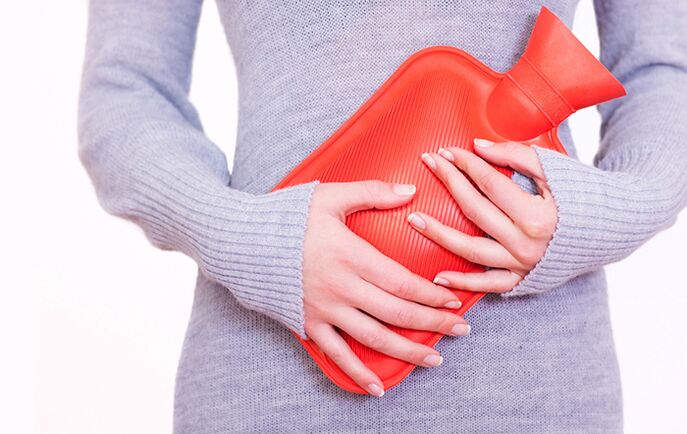
Acute cystitis usually resolves within 3-5 days.However, if symptoms persist, antimicrobial use can be prolonged by changing the primary drug, as the pathogen may not be sensitive to the previous drug.If the pathological form is chronic, treatment focuses on no recurrence and elimination of symptoms for a year or more.In some cases, surgical intervention is required, without which it is difficult to get rid of cystitis.
What to eat if you have cystitis
Proper nutrition is very important when cystitis occurs.The basis of this program is the elimination of inflammatory processes.Therefore, the diet should consist of easily digestible foods and carefully chosen drinking habits.The principles of therapeutic nutrition should be as follows:
- The foods and drinks you choose should have diuretic properties.
- It is recommended to keep salt consumption to a minimum.
- Spicy, greasy, fried, canned and smoked foods were removed from the menu.
- Food is best processed by steaming or boiling it.
- The protein content in food should be as low as possible.
- You will have to give up sugar and its alternatives.
- Product should not cause constipation.
During an exacerbation of the disease, strict adherence to diet is required; the choice of beverages is very important.In addition to ordinary water, it is recommended to take calcium chloride mineral water, you can use unsweetened fruits to cook preserves, and use vegetables to squeeze juice.The menu should include pumpkin juice, which has an excellent diuretic effect.Cranberry and lingonberry juice drinks will help eliminate the inflammatory process.It is helpful to drink herbal tea with a spoonful of natural honey once a day; it should be prepared with bilberry leaves and corn silk.

The menu should include fresh fruits and vegetables; cucumbers and zucchini, carrots, spinach and pumpkin, pears and pomegranates, and watermelon are preferred.Dairy products should be consumed with caution as they contain fat and calcium.Once a day, you can eat a small portion of natural cheese or yogurt, unsalted cheese with the lowest fat content.Meat and fish should be avoided during an exacerbation of the disease, and low-fat varieties should be gradually introduced after the condition improves.The basis of almost any diet is porridge made from whole grains.For cystitis, bran can be added to the menu.When preparing salads, use olive or sunflower oil as a dressing.You can eat a handful of cedar nuts within 24 hours.
There are also strict prohibitions that cannot be ignored.The diet for cystitis does not include the use of:
- Fruits that are high in AHAs, as they can irritate the mucosal layer and interfere with the healing of the surface.The list includes apples, avocados, peaches and melons, citrus fruits and pineapples.
- Vinegar is prohibited.
- No sauces - mayonnaise, ketchup, soy relish.They are high in fat and contain salt.
- Sugars and desserts are not indicated, since these are the favorite dishes of pathogenic microorganisms and contribute to their active reproduction.
- Alcohol promotes the elimination of body fluids, which can lead to dehydration and irritation of damaged organs; coffee and strong tea have similar effects.
- Prohibited vegetables include asparagus, tomatoes and beans, onions and garlic, radishes and turnips, and horseradish.
important.You should completely eliminate from your diet all those foods that cause and exacerbate the irritation and inflammatory processes that occur in the bladder.
Prognosis and preventive measures for cystitis
It should be understood that it is not cystitis that one should worry about, but rather the possible complications, including impaired urinary circulation, kidney damage leading to the development of pyelonephritis and nephritis, and sphincter weakness leading to urinary incontinence.Organs may decrease in size and lose elasticity.Another dire consequence is infertility, which is caused by ongoing inflammation.

However, in acute forms of the pathology, the prognosis is quite good unless gangrenous or necrotic type disease develops.If the acute form occurs against the background of impaired urinary outflow (this can occur with vaginal prolapse, prostate adenomas, bladder diverticula, etc.), the disease may become chronic, but the prognosis for recovery is unfavorable.Preventing pathology can significantly reduce the risk of cystitis:
- It is necessary to avoid hypothermia and getting your feet wet.
- Eating right and proper menu planning are important.
- Careful intimate hygiene is necessary.
- It is very important for women to have a gynecological examination once a year and for men over the age of 40 to have regular prostate examinations.
- The immune system needs to be strengthened.
- If constipation occurs, you need to normalize your bowel movements.
In addition, chronic kidney disease should be treated and sexually acquired infections eliminated.For chronic cystitis, herbal preparations and diuretics should be taken every three months to prevent the condition from getting worse.