


After identifying the causative agent of the infection and determining the cause of the mechanism that triggers the disease, the doctor should prescribe pills for the treatment of cystitis in women.Bladder inflammation requires prompt treatment, otherwise the disease can quickly become chronic and subsequently threaten cyst formation, kidney damage, and other complications, the most serious of which is cancer.
Today there are many medications that can eliminate the inflammatory process in a short time, relieve painful symptoms and speed up recovery.Antibacterial, anti-inflammatory and analgesics are prescribed after laboratory tests of the urine to help fight the infectious process.
Some knowledge about cystitis
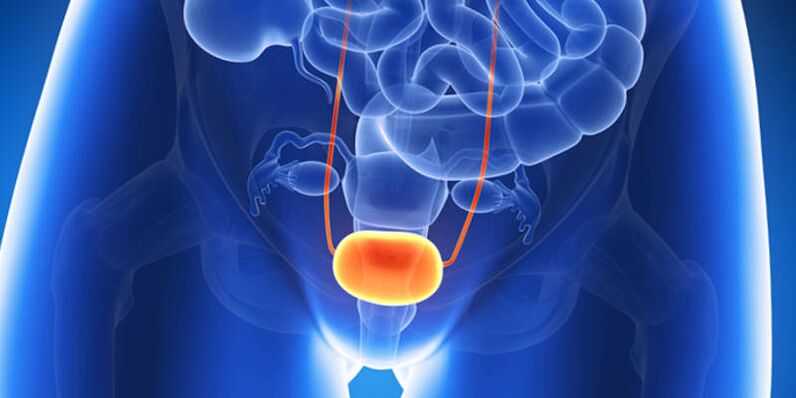
Cystitis is an inflammatory disease of the bladder, accompanied by destruction of bladder function.The disease is more common in women, which is related to the anatomical characteristics of the genitourinary system.In healthy women, the immune system is able to reliably neutralize pathogenic microorganisms that penetrate the urethra.But due to reduced immunity due to hypothermia, hormonal imbalances, vitamin deficiencies or damage to the bladder mucosa, pathogenic flora quickly penetrate the mucosa of the organ, which is facilitated by the short length of the urethra and its proximity to the anal area.
Depending on the nature of the disease course, cystitis can be divided into acute and chronic, infectious and non-infectious.Furthermore, a distinction is made between primary cystitis and secondary cystitis, which occur in the context of urolithiasis or inflammatory diseases of the reproductive organs.
good to know
E. coli is considered the main causative agent of the disease.It causes cystitis in 80% of cases, and the remaining 20% is caused by Staphylococcus aureus and other pathogenic bacteria.
Other factors that trigger the disease include:
- Kidney disease (pyelonephritis);
- Endocrine pathology (diabetes);
- Sexually transmitted diseases (chlamydia, gonorrhea infection);
- Gynecological diseases (vaginitis, thrush);
- Frequent colds;
- Bad habits (smoking, alcohol abuse);
- Consequences of surgical or diagnostic procedures causing damage to the urethral mucosa;
- During pregnancy, there are changes in the microflora in the context of hormonal changes in the body;
- lack of personal hygiene;
- Wear synthetic underwear (especially thongs).
What are the symptoms of cystitis?
The manifestations of the disease depend largely on its form.Thus, in acute cystitis, women complain of frequent urination, accompanied by cuts, burning sensations and painful cramps in the lower abdomen.There is a general deterioration in health, body temperature rises, chills occur, and urine becomes cloudy.
Exacerbations of chronic cystitis are accompanied by symptoms similar to:
- Frequent urinary urgency and feeling of incomplete bladder emptying;
- Cutting pain may radiate into the rectum;
- Lower abdominal pain.
Rapid treatment of cystitis with tablets requires prior consultation with a general practitioner and gynecologist and a series of laboratory tests.In order to rule out accompanying sexually transmitted infections, an examination by a gynecologist is required.
Thereafter, the doctor will choose the best treatment option, taking into account the causative agent of the disease, the general condition and possible contraindications.If a few decades ago cystitis was mainly treated with herbal medicine, today it is impossible not to take antibacterial drugs.Let’s see what effective pills are available for treating cystitis and how to use them correctly.
How to treat cystitis in women with pills?
If inflammation of the bladder occurs, it will need to be treated with antibiotics.Today, there are medications so powerful that they can eliminate the main symptoms of cystitis in just one application.
Antibiotics to Treat Cystitis
The selection of antimicrobial agents is empirical because the spectrum of pathogens causing inflammation is predictable.Currently, short-term antibiotics are recommended for treating cystitis in women.This treatment option has been proven to be effective and highly effective.
Herbal remedies for cystitis
Antibiotics are very effective in treating bladder inflammation, but many of them have numerous contraindications and can cause adverse reactions in various systems of the body.A good alternative to antimicrobial drugs are herbal products, which are safe and well tolerated by patients.
AIDS
Home treatment of cystitis in women can be supplemented by taking painkillers or antispasmodics, which can help relieve persistent pain in the lower abdominal and lumbar area during an exacerbation of the inflammatory process.
Additionally, after consulting your doctor, you can use proven folk remedies.Cranberry juice or fresh lingonberries and cranberries can be consumed in unlimited quantities to help relieve inflammation.
Another ancient recipe is millet drink.To prepare it, the grains should be sorted and calcined in a dry frying pan.After the millet has cooled, you need to pour it into a plastic bag and roll it out with a rolling pin.The resulting mashed material is used to prepare pharmaceutical compositions.For this, 1 tbsp.Add the broken millet to a glass of warm water and stir.The result should be cloudy water, which should be drank after the millet has settled to the bottom.For acute cystitis, drink this medicine twice a day for quick relief from pain and inflammation.